
Driving Through Oregon: Do You Need an Oregon Trip Permit?
If you are an out-of-state owner-operator or small carrier preparing to cross Oregon for one load, a seasonal route, or an occasional reroute, do not assume your existing USDOT number…

If you are an out-of-state owner-operator or small carrier preparing to cross Oregon for one load, a seasonal route, or an occasional reroute, do not assume your existing USDOT number…
Oregon carriers need to prepare their Q2 Oregon mileage tax report before the August 31 deadline. Q2 covers April through June, and the filing is connected to Oregon mileage tax, Oregon highway use tax, and Oregon weight-mile tax reporting. For truckers, this is not the same as a mileage expense report or mileage reimbursement report used for general business deductions.
Starting a trucking career can open the door to steady work and good earning potential, but getting there isn't free. One of the biggest questions future drivers ask is how they're going to pay for CDL school. If you've been researching your options, you've probably come across terms like free CDL training Oregon, paid CDL training, financial aid for CDL, or company sponsored CDL training. The problem is that these programs don't all work the same way, which can make choosing the right path a little confusing.
If you've been running commercial vehicles in Oregon for a while, you already know the state's weight-mile tax system has never been the simplest thing to deal with. Different weight…
For commercial drivers, those moments can get serious fast. Oregon's highways pass through forests, mountain corridors, farmland, and remote stretches where wildlife moves freely. Unlike a passenger car, a fully loaded truck can't stop on a dime.
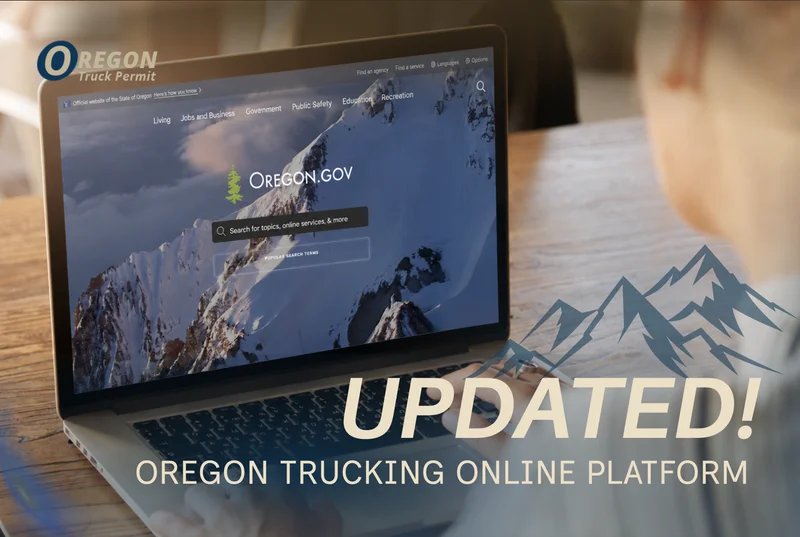
Oregon Department of Transportation's Commerce and Compliance Division (CCD) officially launched a redesigned version of Oregon Trucking Online on April 21, 2026. The update affects one of the most heavily used systems in Oregon trucking, a platform that serves more than 45,000 active motor carrier accounts and handles everything from permit applications and tax payments to credential renewals and account management.
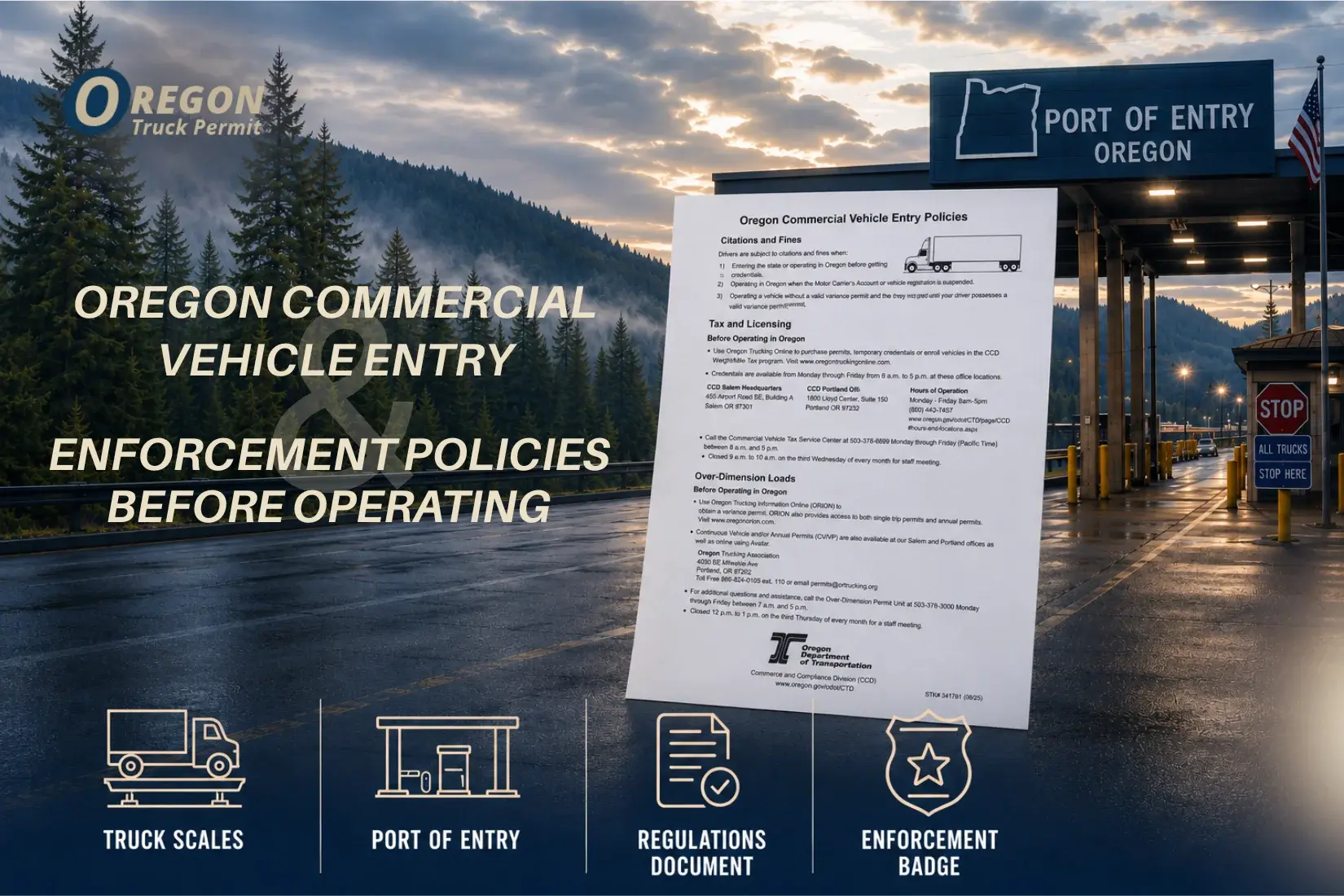
Oregon takes commercial vehicle compliance seriously, and the state expects carriers to have the right paperwork squared away before operating. Depending on the truck, the load, and how often you're running in Oregon, that could mean permits, temporary credentials, Weight-Mile Tax requirements, registration documents, or special variance permits.
The Oregon Weight-Mile Tax is a road-use tax charged to qualifying commercial vehicles operating within the state. Rather than taxing fuel purchases alone, Oregon calculates the tax using two main factors: the declared weight of the vehicle and the number of miles traveled on Oregon roads.
Oregon trucking rules have a way of feeling simple at first… until you actually have to apply them on the road. Most towing operators figure this out pretty quickly. One…