

loader image

Oregon Wildlife Safety for Truckers: Highway Risks Drivers Can’t Ignore

For commercial drivers, those moments can get serious fast. Oregon's highways pass through forests, mountain corridors, farmland, and remote stretches where wildlife moves freely. Unlike a passenger car, a fully loaded truck can't stop on a dime.
Continue ReadingOregon Wildlife Safety for Truckers: Highway Risks Drivers Can’t Ignore

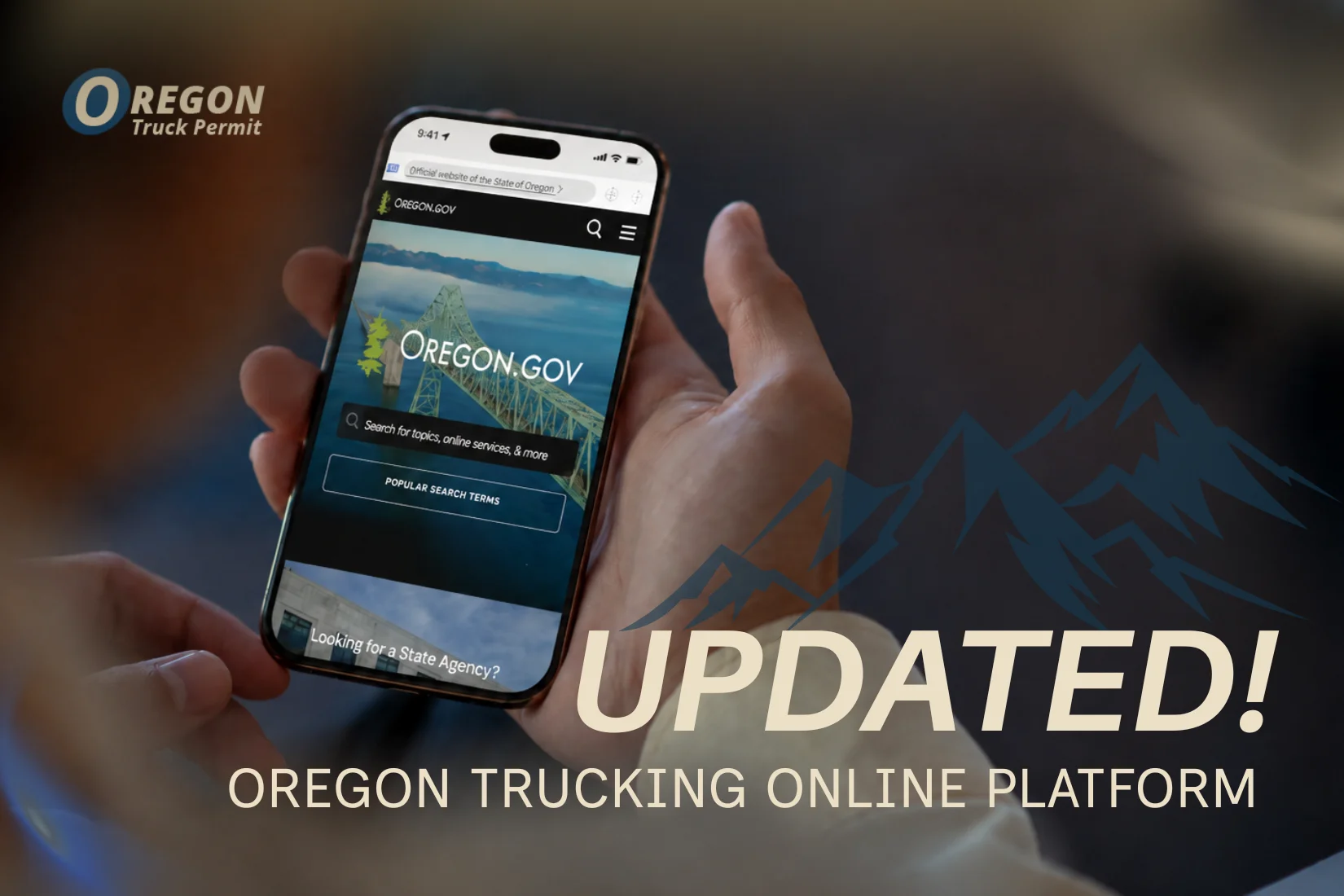
Oregon Trucking Online Platform Gets a Modern Makeover And Here’s What Changes for You

Oregon Department of Transportation's Commerce and Compliance Division (CCD) officially launched a redesigned version of Oregon Trucking Online on April 21, 2026. The update affects one of the most heavily used systems in Oregon trucking, a platform that serves more than 45,000 active motor carrier accounts and handles everything from permit applications and tax payments to credential renewals and account management.

Continue ReadingOregon Trucking Online Platform Gets a Modern Makeover And Here’s What Changes for You

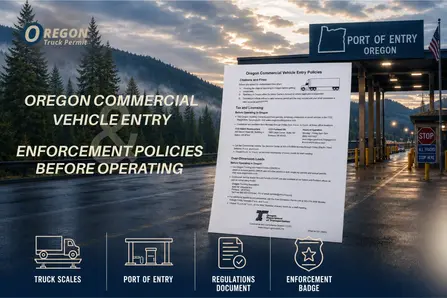
Understand Oregon Commercial Vehicle Entry and Enforcement Policies Before Operating

Oregon takes commercial vehicle compliance seriously, and the state expects carriers to have the right paperwork squared away before operating. Depending on the truck, the load, and how often you're running in Oregon, that could mean permits, temporary credentials, Weight-Mile Tax requirements, registration documents, or special variance permits.

Continue ReadingUnderstand Oregon Commercial Vehicle Entry and Enforcement Policies Before Operating

How the Oregon Weight-Mile Tax Works for Truckers

The Oregon Weight-Mile Tax is a road-use tax charged to qualifying commercial vehicles operating within the state. Rather than taxing fuel purchases alone, Oregon calculates the tax using two main factors: the declared weight of the vehicle and the number of miles traveled on Oregon roads.

Continue ReadingHow the Oregon Weight-Mile Tax Works for Truckers

Trucking in Oregon

Before anything else, carriers need to make sure they’re properly set up under Oregon’s system. This is where a lot of confusion starts, especially for out-of-state operators who assume their home-state authority covers everything. In reality, Oregon motor carrier requirements are their own thing.

Continue ReadingTrucking in Oregon